This region is characterised by widespread organic production due to its largely pristine environment, which is rich in forests and home to Europe's last primeval forest (Puszcza Białowieska) inhabited by the last group of European bison.
Given that organic greenhouse production is still in its infancy in Poland compared to other cropping systems, the strategic goal is to establish a network of organic as well as conventional farmers that are potentially considering conversion across key vegetable-growing regions operating under protected conditions. This initiative seeks to build synergies with established organic farming organisations. To that end, the meeting was organised in collaboration with the Polish Association Forum of Organic Agriculture, a major stakeholder in the sector led by Prof. Ewa Maria Rembiałkowska, who was among the initiators of the Polish organic movement in the '90s.
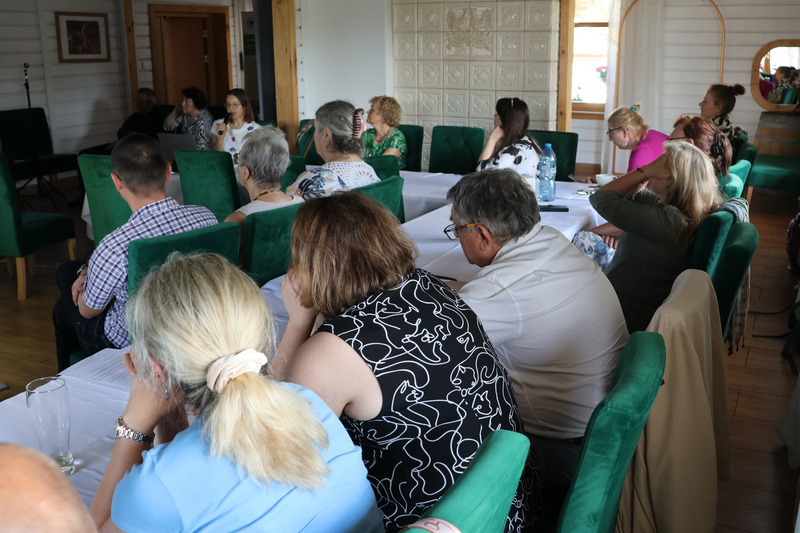
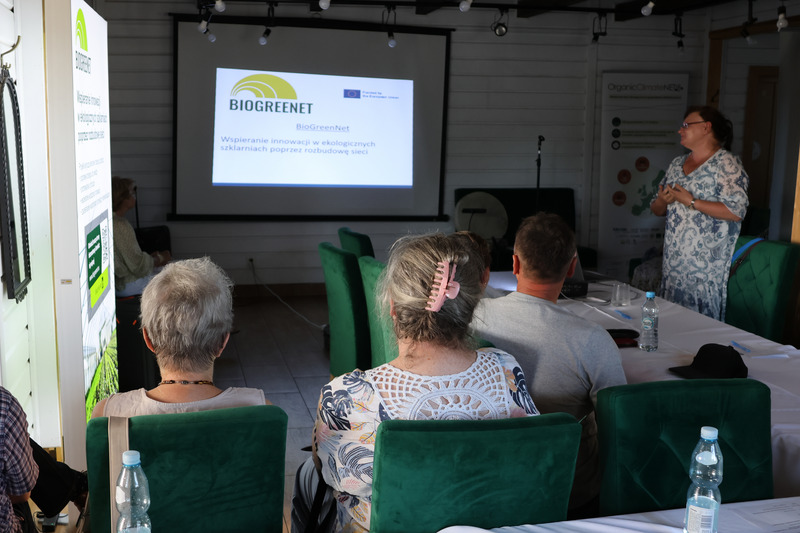
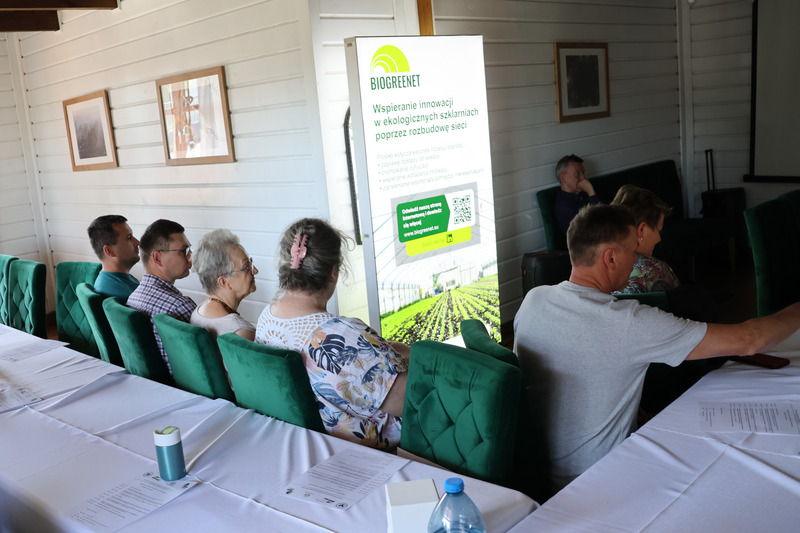
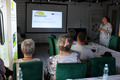
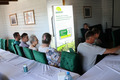
During the event, which brought together agricultural producers, consultants, researchers, and certification inspectors, Prof. Tartanus outlined the project's scope, objectives, and the purpose of the OGP network. A lively discussion followed, highlighting a major knowledge gap among farmers: the need for technical advice on practical methods for protected cultivation. The meeting also enabled participants to outline an activity plan and draft an initial list of growers and professionals eager to join the Polish OGP network. Lastly, participants suggested further districts and institutions to involve – an unexpected outcome that will be leveraged to further strengthen the network.
Contact
- Prof. Małgorzata Tartanus, INHORT
 tap and then scroll down to the Add to Home Screen command.